
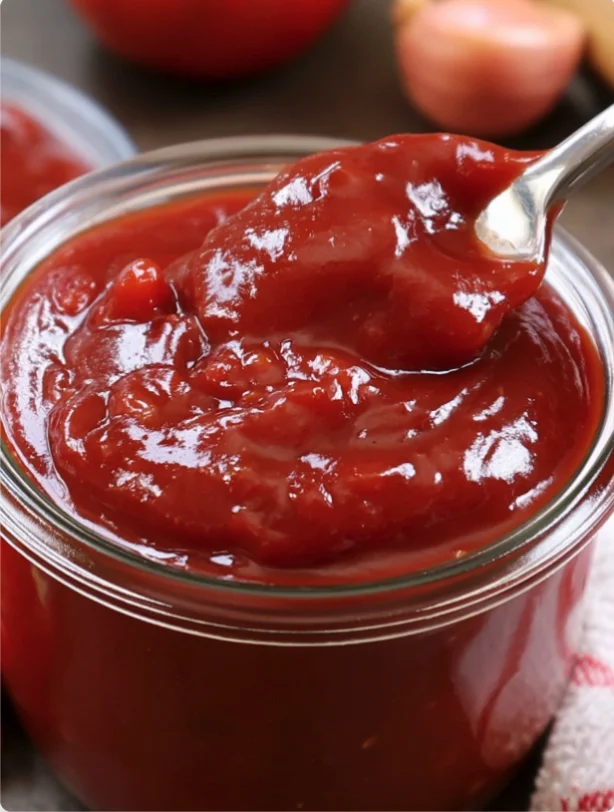
There’s something undeniably satisfying about creating your own condiments. Homemade Tomato Ketchup is not just a staple for burgers and fries; it’s a culinary adventure that allows you to personalize flavors to your liking. Unlike the store-bought varieties filled with preservatives and high fructose corn syrup, this homemade version uses fresh ingredients, ensuring every bite is rich and full of authentic tomato flavor. Making your own ketchup can be a fun family project, a way to use up an overabundance of tomatoes, or simply a quest to elevate your meals. Whether you’re grilling for a summer barbecue or just dressing your classic fries, this ketchup will be a delicious addition to your table. Moreover, the satisfaction of crafting your own condiment from scratch can bring a sense of pride and joy to your cooking experience, making every meal that much more special. The process is not only rewarding but also allows you to experiment with flavors, achieving a unique taste that reflects your culinary preferences.
Ingredients
- Fresh Ingredients:
- 2 pounds of ripe tomatoes (the best tomatoes for ketchup are Roma or San Marzano, known for their rich flavor and low moisture content, making them ideal for sauces. Look for tomatoes that are firm and have a deep red color for the best results.)
- 1 medium onion, finely chopped (yellow or sweet onions work well for a balanced flavor, while red onions can add a different sweetness if preferred.)
- 2 cloves of garlic, minced (fresh garlic elevates the taste profile significantly; consider using roasted garlic for a sweeter, more mellow flavor.)
- Dry Ingredients:
- 1 cup brown sugar (this adds sweetness and a deep flavor; you can use light or dark brown sugar depending on your preference, with dark brown sugar providing a richer taste.)
- 1 teaspoon salt (this enhances all the flavors, but adjust to taste based on your dietary needs; sea salt or kosher salt can provide different textures.)
- 1 teaspoon black pepper (freshly ground black pepper will give a more robust flavor; consider using white pepper for a milder heat without the black specks.)
- 1 teaspoon ground cinnamon (adds warmth and complexity, creating a well-rounded flavor; for a unique twist, try adding a pinch of nutmeg.)
- 1 teaspoon ground allspice (for a hint of nutmeg and clove flavors; this spice can elevate the overall taste, giving it a subtle warmth.)
- 1/2 teaspoon cayenne pepper (optional for heat; adjust based on your spice tolerance; you can also substitute with a dash of hot sauce for a different kick.)
- Wet Ingredients:
- 1 cup apple cider vinegar (brings acidity and tanginess, balancing the sweetness of the sugar; red wine vinegar can be used for a different flavor profile.)
- 1 tablespoon Worcestershire sauce (adds umami depth and complexity; for a vegetarian option, look for vegan Worcestershire sauces available in stores.)
- Optional Flavoring:
- 1 tablespoon mustard (for tanginess; yellow or Dijon mustard can work, but spicy brown mustard offers an interesting twist.)
- Herbs like thyme or basil (for additional flavor profiles of ketchup; use fresh or dried as preferred; a teaspoon of oregano can also provide an Italian flair.)
Steps / Instructions
- Begin by preparing the tomatoes. Blanch them in boiling water for about 30 seconds to loosen the skins. This process makes peeling easier and helps retain more of the tomato’s juiciness. Remove and place in an ice bath to cool quickly, ensuring the cooking process stops immediately. Once cooled, peel and chop the tomatoes, discarding any stems and bruised parts. Try to use an assortment of tomatoes for a more complex flavor; this can include mixing in some heirloom varieties for a vibrant color and taste.
- In a large pot, heat 1 tablespoon of oil over medium heat. Add the chopped onions and sauté until they are translucent (about 5 minutes). Stirring occasionally will ensure they cook evenly and caramelize nicely. Next, add the minced garlic and cook for another minute, until fragrant, taking care not to let it burn as burnt garlic can impart bitterness. This base of onions and garlic is crucial, as it lays the foundation for a deeply flavored ketchup.
- Add the chopped tomatoes to the pot and stir well, making sure the onions and garlic are evenly distributed. Allow the mixture to come to a simmer. This stage involves simmering the tomato sauce until it thickens, which typically takes about 20-30 minutes. You’ll notice the tomatoes breaking down and releasing their natural juices, creating a wonderful aroma that fills your kitchen.
- Once the tomatoes have broken down and thickened, add in the brown sugar, salt, black pepper, cinnamon, allspice, cayenne pepper, apple cider vinegar, and Worcestershire sauce. Stir to combine all ingredients thoroughly. This is where the magic happens, as the flavors meld together, so tasting at this stage is crucial to adjust the sweetness or acidity as needed. Remember, you can always add more sugar, but you can’t take it out once it’s in!
- Bring the mixture back to a simmer, then reduce the heat to low. Allow it to simmer for about 1 hour, stirring occasionally, until it reaches your desired consistency. The longer you simmer, the thicker it will become, so keep an eye on it to avoid over-reduction. If you notice it thickening too quickly, you can add a splash of water or additional vinegar to maintain consistency.
- For a smoother ketchup, use an immersion blender to puree the sauce directly in the pot, or transfer it in batches to a stand blender. Blend until smooth, adjusting for texture according to your preference. If you prefer a chunky ketchup, blend just enough to break down larger pieces, being careful not to over-blend which can lead to a paste-like consistency.
- Return the pureed ketchup to the pot and continue simmering for another 30-60 minutes, adjusting the heat as necessary, until thickened. Taste and adjust seasoning, adding more salt or sugar to balance the flavor if desired. This step allows the flavors to deepen and develop further, creating a rich condiment that’s bursting with homemade goodness.
- Once cooked, let the ketchup cool to room temperature before transferring it to sterilized glass jars. This cooling step prevents condensation in the jars, which can affect shelf life and quality. Seal tightly and store in the refrigerator. Preserving homemade ketchup can last for several weeks when refrigerated, but for longer preservation, consider canning. Canning can extend the shelf life significantly, allowing you to enjoy your ketchup long after tomato season has ended.
Tips & Tricks
To achieve the best flavor and consistency in your Homemade Tomato Ketchup, consider these tips: You can learn more about this topic. Paying attention to the details can significantly enhance your final product, making it truly exceptional.
- Use the ripest and freshest tomatoes you can find for the best taste. If using canned tomatoes, opt for high-quality San Marzano varieties that are packed in juice rather than syrup; the flavor difference is remarkable.
- Adjust spices to your liking; experimenting with flavoring ketchup with spices can yield exciting results. Consider adding a pinch of smoked paprika for depth or even a dash of liquid smoke for a BBQ flair, which can transform the flavor profile significantly.
- Store your ketchup in airtight containers in the refrigerator. For long-term storage, consider canning or freezing your homemade ketchup. If freezing, leave some space in the containers as ketchup can expand when frozen; this prevents container breakage.
- Make this recipe a day ahead; the flavors develop beautifully overnight. It can be an essential condiment for burgers, grilled meats, or paired with homemade sauces for fries, enhancing your meals by bringing everything together.
- Common mistakes to avoid include not cooking long enough for the sauce to thicken or adding too much sugar. Start with less and adjust as needed, tasting often to reach your desired flavor balance. Properly simmering the sauce is key to achieving that classic ketchup consistency.
Conclusion
Homemade Tomato Ketchup is a delightful project that transforms simple ingredients into a delicious condiment bursting with flavor. Whether you’re using fresh tomatoes in the height of summer or making it a staple for your family meals, this recipe is sure to impress. Embrace the process, personalize your ketchup with spices, and enjoy the satisfaction of making your own delicious sauce! Check out our related guide for more tips on enhancing your homemade condiment experience.
Homemade Tomato Ketchup
Creating your own condiments. Homemade Tomato Ketchup is not just a staple for burgers and fries; it's a culinary adventure that allows you to personalize flavors to your liking.
Ingredients
- 2 pounds of ripe tomatoes (Roma or San Marzano)
- 1 medium onion, finely chopped
- 2 cloves of garlic, minced
- 1 cup brown sugar
- 1 teaspoon salt
- 1 teaspoon black pepper
- 1 teaspoon ground cinnamon
- 1 teaspoon ground allspice
- 1/2 teaspoon cayenne pepper (optional)
- 1 cup apple cider vinegar
- 1 tablespoon Worcestershire sauce
- 1 tablespoon mustard (optional)
- Herbs like thyme or basil (optional)
Directions
Blanch the tomatoes in boiling water for about 30 seconds to loosen the skins. Remove and place in an ice bath to cool quickly. Once cooled, peel and chop the tomatoes.
In a large pot, heat 1 tablespoon of oil over medium heat. Add the chopped onions and sauté until translucent, about 5 minutes. Add minced garlic and cook for another minute.
Add chopped tomatoes to the pot and stir well. Allow the mixture to come to a simmer, simmering until it thickens, about 20-30 minutes.
Once tomatoes have thickened, add brown sugar, salt, black pepper, cinnamon, allspice, cayenne pepper, apple cider vinegar, and Worcestershire sauce. Stir to combine.
Bring the mixture back to a simmer, reduce heat to low, and simmer for about 1 hour, stirring occasionally.
For a smoother ketchup, use an immersion blender to puree the sauce or transfer in batches to a stand blender. Blend until smooth.
Return pureed ketchup to the pot and continue simmering for another 30-60 minutes, adjusting seasoning as desired.
Once cooked, let the ketchup cool to room temperature before transferring to sterilized glass jars. Seal tightly and store in the refrigerator.
Nutrition Facts
Recipe Reviews
- ★★★★★
Excellent recipe!
Leave a Reply
Your email address will not be published. Required fields are marked *






Excellent recipe!