
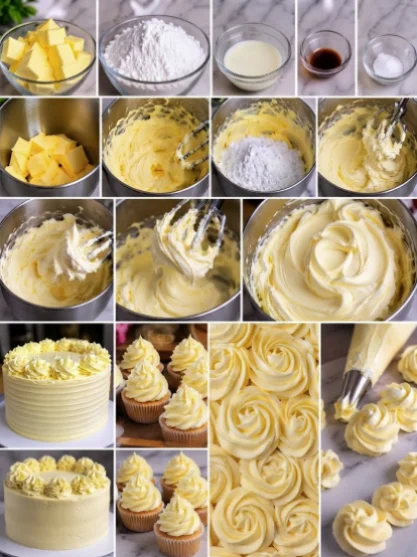
When it comes to cake decorating and sweet indulgences, nothing quite beats the creamy, rich, and versatile Classic Buttercream Recipe. This frosting is a staple in bakeries and homes alike, making it the go-to choice for everything from birthday cakes to cupcakes. Its smooth texture and sweet flavor create a perfect canvas for all kinds of cake decorating techniques, allowing bakers to express creativity while delighting the taste buds of family and friends. With just a few simple ingredients, you can whip up this homemade buttercream that elevates any dessert experience. The beauty of a classic buttercream lies in its adaptability; it can be paired with numerous flavor profiles and designs, making it an essential skill for any aspiring baker. From soft pastel hues for a spring celebration to deep, rich tones for a fall gathering, the possibilities are endless. Mastering this recipe not only enhances your baking repertoire but also enables you to create personalized treats that can cater to any occasion, bringing joy to your gatherings and celebrations. Plus, the process of making your own buttercream provides a sense of accomplishment and allows you to control the quality of ingredients, ensuring that every bite is delicious and satisfying.
Ingredients
To make the perfect Classic Buttercream, you will need the following ingredients: You can learn more about this topic.
- For the Base:
- 1 cup (226 grams) unsalted butter, softened to room temperature, which is crucial for achieving that creamy texture. Ensuring the butter is at optimal softness helps in incorporating air, resulting in a light and fluffy buttercream.
- 4 cups (480 grams) powdered sugar, sifted to remove any lumps and ensure a smooth finish, as this will affect the final consistency. Sifting is particularly important for preventing graininess in your frosting.
- 1/4 cup (60 ml) heavy cream or milk, preferably whole for richness, although lighter options can be used for a less indulgent version. The choice of liquid impacts the overall richness and mouthfeel of the buttercream.
- 2 teaspoons pure vanilla extract, which adds a delightful depth of flavor and elevates the overall taste profile of the buttercream. For a more complex flavor, consider using high-quality extracts or even blending in other flavors like almond or coconut.
- Optional for Variations:
- Cocoa powder for chocolate buttercream: ½ cup (45 grams), giving it a rich, chocolatey flavor that perfectly complements vanilla cakes. This simple addition transforms your classic buttercream into a decadent treat.
- Food coloring for festive decorations, allowing you to customize the hue to match any occasion, from bright reds for Valentine’s Day to cool blues for baby showers. Gel food colorings are recommended for their vibrant hues without compromising the texture.
Note: Use high-quality unsalted butter for the best flavor, as it has a cleaner taste compared to salted butter. If you need a dairy-free option, you can substitute with a vegan butter alternative that mimics the texture of traditional butter, such as coconut or almond-based spreads. For those who are looking for a lower-sugar option, consider using a sugar substitute that measures cup-for-cup like powdered erythritol, which can provide a similar texture while reducing calories. Additionally, ensure that any substitutions do not alter the intended flavor of your buttercream significantly. Check out our related guide for more tips on ingredient selections and alternatives, as well as insights into how different ingredients can change the overall taste and texture of your frosting. Experimenting with various ingredients can also lead to exciting new flavors and textures, enhancing your baking experience.
Steps / Instructions
- Prepare the Butter: In a large mixing bowl, add the softened unsalted butter. Using an electric mixer fitted with a paddle attachment, beat the butter on medium speed until it is creamy and smooth, about 1-2 minutes. Ensure the butter is at room temperature, as this allows for easier mixing and a fluffier end product. The butter should appear pale and fluffy, indicating that air has been incorporated, which is key for a light frosting. The longer you beat the butter at this stage, the more air will be incorporated, resulting in an even lighter texture.
- Add Sugar: Gradually add in the powdered sugar, one cup at a time, while mixing on low speed. This will prevent a sugar cloud from forming and creating a mess in your kitchen. Mix until the sugar is fully incorporated before adding the next cup, and make sure to stop the mixer to scrape down the sides of the bowl as needed, ensuring all the sugar is evenly mixed into the butter. A well-mixed batter is crucial to achieving a smooth buttercream, and this step ensures that your frosting will be free of gritty sugar granules.
- Incorporate Liquid: Once the sugar is fully combined, pour in the heavy cream (or milk) and vanilla extract. Mix on medium speed for about 2-3 minutes until the frosting is light and fluffy. If the mixture appears too thick, don’t hesitate to adjust with small increments of cream to achieve the desired texture. You want a frosting that holds its shape yet is spreadable, perfect for both cakes and cupcakes. A well-aerated buttercream will not only look good but will also spread easily and hold up well when piped onto desserts.
- Adjust Consistency: If the buttercream is too thick, add a little more cream, one tablespoon at a time, until you reach your desired consistency. Conversely, if it’s too thin, add a bit more powdered sugar, mixing well until the texture is just right for spreading or piping. Remember that the buttercream will firm up slightly when refrigerated, so aim for a slightly softer consistency if you plan to chill it. The goal is a balance between spreadability and structural integrity, so adjust accordingly based on your needs.
- Flavor Variations: For chocolate buttercream, simply sift in the cocoa powder and mix until well combined. Start at a low speed to avoid cocoa dust clouding up your space, then increase to medium until fully blended for a rich chocolate flavor. You may also explore other flavors by adding extracts such as almond or lemon for a unique twist on the classic. The addition of flavors can completely transform your buttercream, making it suitable for a variety of baked goods.
- Color It Up: If desired, add a few drops of food coloring and mix until the color is evenly distributed. For best results, use gel food coloring, which provides vibrant color without altering the consistency of your buttercream. A little goes a long way, so start with a small amount and adjust to your preference. Creating visually appealing frosting not only enhances the dessert but can also make it more enticing for special occasions.
Tips & Tricks
Here are some practical tips to ensure your buttercream turns out perfectly every time:
- Storage: Store any leftover buttercream in an airtight container in the refrigerator for up to 1 week. Before using, allow it to come to room temperature and re-whip to restore the fluffy texture that can be lost during refrigeration. You can also place a piece of plastic wrap directly on the surface of the buttercream to prevent it from forming a crust, which can affect the frosting’s texture. Proper storage is key to preserving the freshness and quality of your buttercream.
- Make-Ahead: You can make the buttercream in advance and freeze it for up to 3 months. When you are ready to use it, thaw it in the fridge overnight, and then re-whip until smooth again. This is perfect for busy bakers who want to save time on the day of an event. Just remember to label your containers with the date and flavor for easy identification! Planning ahead helps streamline the baking process while ensuring you always have delicious buttercream on hand.
- Common Mistakes: Avoid overworking the buttercream, as it can become too soft and lose its structure. If you find that it’s becoming too warm during mixing, take a break to let it cool. Also, always sift your powdered sugar to prevent lumps that can ruin the silky texture of your buttercream. A smooth buttercream not only looks better but also tastes better. Being mindful of these details can save you from having to start over and ensure a successful frosting.
- Pro Techniques: For a silky finish, consider using a bench scraper to smooth out the frosting on the sides of your cake. For intricate designs, use piping bags fitted with various tips to create beautiful decorations ranging from rosettes to delicate lace patterns. Practice makes perfect, so don’t hesitate to experiment with different techniques and designs to elevate your baking skills. Gaining confidence in decorating can significantly enhance the overall presentation of your baked goods.
Conclusion
With this Classic Buttercream Recipe, you’re well on your way to creating stunning desserts that not only taste incredible but also look impressive. The creamy buttercream is perfect for cakes, cupcakes, and any celebration. Whether you stick to the classic vanilla flavor or experiment with variations, you’ll find that this recipe brings joy to both the baker and the eater. Dive into the world of cake decorating with confidence, and enjoy the sweet rewards of your efforts! Don’t hesitate to share your creations and experiences using this recipe, as we would love to hear about your delicious outcomes! Remember, each batch of buttercream offers a chance to be creative and indulge in the delightful process of baking, making every moment in the kitchen a treasured experience. The joy you bring to others through your baked creations is truly what makes baking such a heartfelt and rewarding activity.
Classic Buttercream Recipe
A creamy, rich, and versatile frosting perfect for cake decorating and sweet indulgences.
Ingredients
- 1 cup (226 grams) unsalted butter, softened
- 4 cups (480 grams) powdered sugar, sifted
- 1/4 cup (60 ml) heavy cream or milk
- 2 teaspoons pure vanilla extract
- Optional: ½ cup (45 grams) cocoa powder for chocolate buttercream
- Optional: Food coloring for decoration
Directions
In a large mixing bowl, add the softened unsalted butter. Using an electric mixer fitted with a paddle attachment, beat the butter on medium speed until creamy and smooth, about 1-2 minutes.
Gradually add in the powdered sugar, one cup at a time, mixing on low speed until fully incorporated.
Once the sugar is fully combined, pour in the heavy cream (or milk) and vanilla extract. Mix on medium speed for about 2-3 minutes until light and fluffy.
If the buttercream is too thick, add more cream, one tablespoon at a time, until desired consistency is reached. If too thin, add more powdered sugar.
For chocolate buttercream, sift in the cocoa powder and mix until well combined.
If desired, add food coloring and mix until evenly distributed.
Nutrition Facts
Recipe Reviews
- ★★★★★
Excellent recipe!
Leave a Reply
Your email address will not be published. Required fields are marked *
Excellent recipe!