
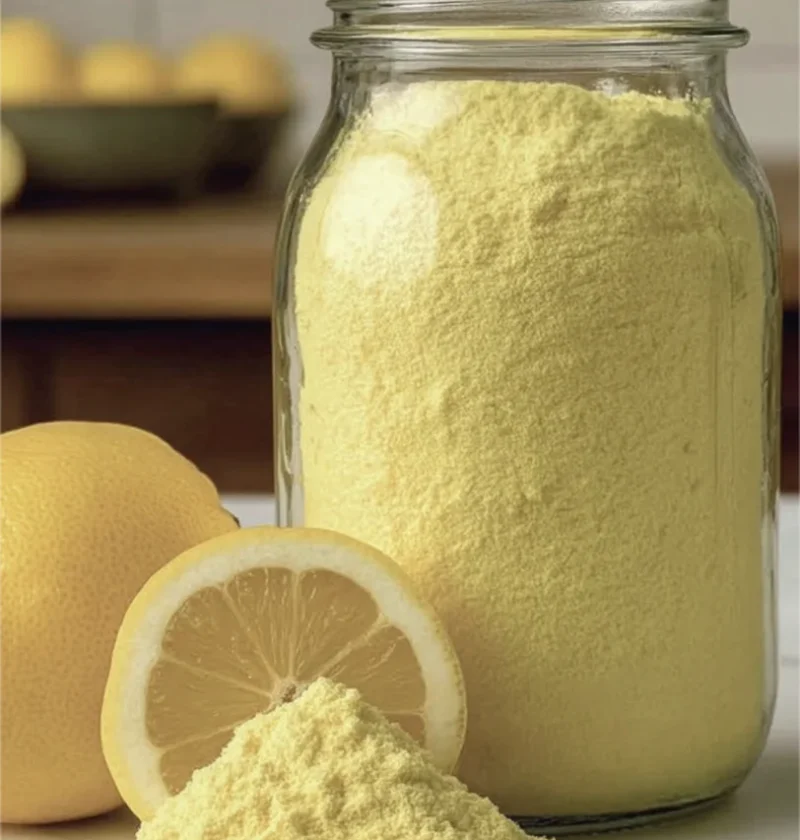
Homemade lemon powder is an incredibly versatile ingredient that can elevate countless dishes with its bright, citrusy flavor. This unique seasoning not only adds a tangy zing to your meals but also brings along the numerous health benefits associated with lemons, such as vitamin C, antioxidants, and digestive aid properties. Did you know that lemon powder can be used in both sweet and savory dishes? Whether you want to add a zesty kick to baked goods, enhance your marinades for meats or vegetables, or create refreshing beverages, this homemade seasoning is a must-have in your pantry. The process of making lemon powder not only preserves the vibrant flavor of lemons but also captures their health benefits, allowing you to enjoy the essence of citrus long after the season has passed. This is particularly beneficial for those who love the flavor of lemons but may not always have fresh ones on hand. In fact, homemade lemon powder is a fantastic solution for reducing waste, as you can use every part of the lemon. Let’s dive into how to make lemon powder, its many uses, and why it’s a fantastic addition to your culinary repertoire. You’ll find that once you start making your own, you’ll never want to go back to store-bought versions!
Ingredients
- Fresh Lemons: 4-5 medium-sized, organic lemons (for optimal flavor and health benefits). Choose lemons that are firm, bright yellow, and have a slight give when gently pressed, indicating ripeness. Organic lemons especially enhance the overall quality of your powder, ensuring a cleaner and more vibrant flavor profile.
- Equipment Needed:
- Dehydrator or oven — both work well, but a dehydrator allows for more controlled drying. A dehydrator typically operates at lower temperatures, making it ideal for preserving the essential oils and nutrients in the zest.
- Sharp knife or zester — a microplane zester works best for fine zest. Using a microplane not only makes the zesting process easier but also yields a finer zest, which is beneficial for achieving a smoother powder.
- Cutting board — to protect your surfaces while zesting. Make sure it’s stable and clean to prevent contamination.
- Food processor or spice grinder — to achieve a fine powder consistency. A high-speed blender can also work in a pinch, though a spice grinder is generally more effective for achieving the fine texture desired.
- Glass jar for storage — ensure it’s clean and dry to prevent moisture from spoiling your lemon powder. Use an airtight container to maintain the freshness and potency of the powder over time.
Steps / Instructions
- Wash the Lemons: Rinse the lemons under cool water to remove any pesticides or dirt. Gently scrub the surface with a produce brush if necessary. Pat them dry with a clean towel, ensuring they are moisture-free to aid in the drying process. This step is crucial as any residual moisture can lead to spoilage.
- Zest the Lemons: Use a zester or a sharp knife to remove the yellow part of the lemon peel, avoiding the bitter white pith as much as possible. You’ll need about 1 cup of lemon zest for a good yield of powder, which translates to approximately 4-5 lemons. The zest is where most of the essential oils are concentrated, giving your powder that superb lemon flavor. Be careful not to zest too deeply, as the white pith can impart a bitter taste to the final product.
- Prepare for Dehydration: Spread the lemon zest evenly on the dehydrator trays or a baking sheet if using an oven. Make sure it’s in a single layer for even drying; overcrowding may lead to uneven results. If using a baking sheet, consider lining it with parchment paper for easier cleanup and to prevent sticking.
- Dehydrate the Zest:
- If using a dehydrator: Set it to 95°F (35°C) and let it dry for 6-8 hours or until the zest is completely dry and brittle. Check periodically to ensure it’s not over-drying. The zest should crumble easily in your fingers when it’s ready.
- If using an oven: Preheat your oven to the lowest setting (around 150°F or 65°C). Place the baking sheet in the oven and let it dry for about 1-2 hours, checking periodically to prevent burning. Leaving the oven door slightly ajar allows moisture to escape, promoting better airflow and drying, which is essential for achieving that crispy texture.
- Process the Dried Zest: Once the zest is fully dried, let it cool for a few minutes. Then, transfer it to a food processor or spice grinder and pulse until it reaches a fine powder consistency. This step is crucial because a finer powder will blend better into recipes, providing an even distribution of flavor. You might also consider sifting the powder through a fine mesh strainer to ensure uniformity.
- Store the Lemon Powder: Transfer the lemon powder into a glass jar with a tight-fitting lid. Store it in a cool, dark place, and it will last for up to 6 months. For the best flavor, try to keep it away from heat sources and light, which can degrade the quality over time. Labeling the jar with the date will help you keep track of its freshness.
Tips & Tricks
- Choosing Lemons: Opt for organic lemons, as they are free from harmful pesticides and will yield a cleaner flavor in your powder. Look for lemons that are heavy for their size, which indicates juiciness. Freshness is key, so try to purchase lemons that have just arrived at the market.
- Storage: Keep your homemade lemon powder in an airtight container to maintain its freshness. A jar with a dark glass can help protect it from light, which can cause flavor loss. Label the jar with the date of preparation for your reference, ensuring you use it while it’s at its peak flavor.
- Grinding: If you want a finer powder, sift the lemon powder after grinding and regrind any larger pieces. This ensures a uniform texture, making it easier to use in recipes. You can also experiment with different grind settings if your grinder has that option.
- Make Ahead: You can prepare a larger batch ahead of time, especially during lemon season, to ensure you have a sufficient supply throughout the year. Consider using lemon powder for gifts; it’s a thoughtful, homemade option that friends and family will appreciate! Adding a personal touch like a handwritten label can make it even more special.
- Common Mistakes: Avoid using lemons that are overly ripe or blemished as they may affect the flavor. Ensure that the zest is completely dried; any moisture left can lead to spoilage and affect the shelf life of your homemade lemon powder. Additionally, remember to scrape off any residual zest from your tools to maximize yield.
Lemon Powder Uses
Homemade lemon powder is not just a seasoning; it can be used in various dishes to enhance flavor and add a citrusy twist. Here are some creative uses:
- Baking: Incorporate lemon powder into cakes, cookies, or muffins to add a zesty flavor. Try it in Sweet Strawberry White Chocolate Cookies to create a refreshing contrast that balances the sweetness with its tangy notes. A teaspoon of lemon powder can transform a basic recipe into something extraordinary.
- Marinades: Use lemon powder in marinades for meat or tofu to infuse a bright citrus flavor. Combine it with olive oil, garlic, and herbs for a delicious marinade that brings out the best in your proteins. The acidity from the lemon powder can also help to tenderize tougher cuts of meat.
- Dressings: Whisk it into vinaigrettes or creamy dressings for an extra zing. A teaspoon of lemon powder can elevate your standard recipes with minimal effort. It pairs beautifully with olive oil and balsamic vinegar for a simple yet flavorful dressing.
- Citrus Flavoring for Drinks: Mix lemon powder into beverages like lemonade, teas, or cocktails for a natural flavor boost. It’s an excellent way to create instant lemon flavor without the hassle of juicing, especially when you’re in a rush or out of fresh lemons.
- Cooking: Sprinkle lemon powder on roasted vegetables or grains for added flavor. It works especially well with dishes like quinoa or couscous, providing a fresh and fragrant undertone. Mixing it into your rice or pasta dishes can also introduce a delightful tang.
- Desserts: Use it in custards, frostings, or whipped cream to create lemon-infused dishes that delight the palate. A sprinkle in your homemade whipped cream can create a stunning topping for pies or cakes. The possibilities for elevating your dessert game with lemon powder are endless!
With the method above, you can easily make your own homemade lemon powder to use in a variety of dishes. The bright, tangy flavor will enhance your meals and can also serve as a natural flavor enhancer in your cooking. From savory marinades to sweet desserts, the potential uses for lemon powder are endless! Check out our related guide for more tips. Embracing homemade lemon powder not only enriches your culinary experiences but also gives you control over the ingredients you use, allowing for healthier and tastier dishes. So why not take the plunge and create your own batch today? You’ll be amazed at the difference it can make in your cooking!

Homemade Lemon Powder
A versatile ingredient that can elevate countless dishes with its bright, citrusy flavor.
Ingredients
- 4-5 medium-sized organic lemons
- Dehydrator or oven
- Sharp knife or zester
- Cutting board
- Food processor or spice grinder
- Glass jar for storage
Directions
Wash the Lemons: Rinse the lemons under cool water to remove any pesticides or dirt. Gently scrub the surface with a produce brush if necessary. Pat them dry with a clean towel.
Zest the Lemons: Use a zester or sharp knife to remove the yellow part of the lemon peel, avoiding the bitter white pith as much as possible. You’ll need about 1 cup of lemon zest.
Prepare for Dehydration: Spread the lemon zest evenly on the dehydrator trays or a baking sheet if using an oven.
Dehydrate the Zest: If using a dehydrator, set it to 95°F (35°C) and let it dry for 6-8 hours. If using an oven, preheat to the lowest setting (around 150°F or 65°C) and let it dry for 1-2 hours.
Process the Dried Zest: Once the zest is fully dried, let it cool for a few minutes, then pulse in a food processor or spice grinder until it reaches a fine powder consistency.
Store the Lemon Powder: Transfer the lemon powder into a glass jar with a tight-fitting lid. Store it in a cool, dark place for up to 6 months.
Recipe Reviews
- ★★★★★
Excellent recipe!
Leave a Reply
Your email address will not be published. Required fields are marked *





Excellent recipe!