
Introduction
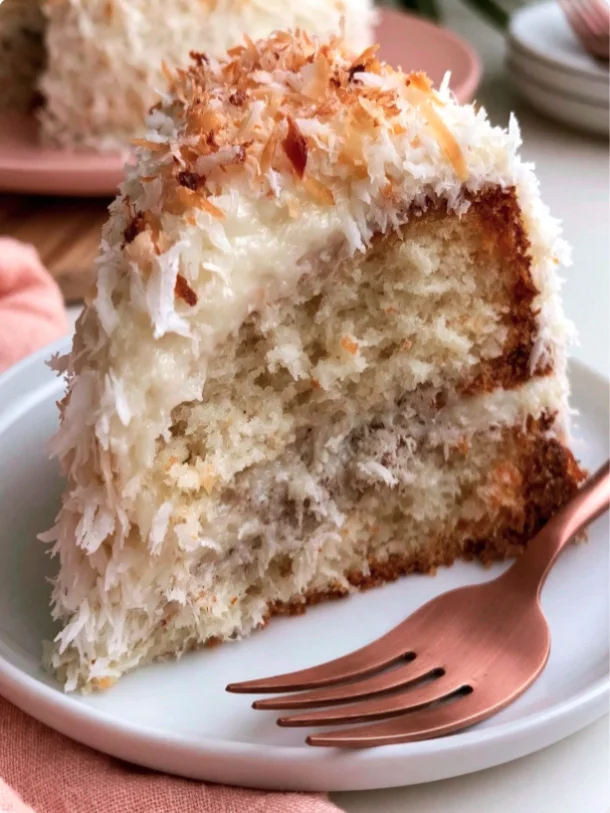
Coconut Cake is a delightful dessert that transports you to a tropical paradise with every bite. Its moist, fluffy texture combined with the rich flavor of coconut creates a truly unforgettable experience. This cake has a special place in many cultures, often associated with celebrations and gatherings. Whether it’s a birthday, wedding, or a festive occasion, Coconut Cake brings joy and sweetness to the table. The use of coconut in desserts has a long history, with coconut palms being cultivated for over 4,500 years, making this cake not just a treat but a connection to culinary traditions from around the world. In many Asian cultures, coconut is revered not only for its flavor but also for its nutritional benefits, offering hydration and essential minerals. Additionally, the preparation of Coconut Cake can evoke cherished memories for many home bakers, as it is often passed down through generations, adapting to different tastes and occasions. Sharing a slice of Coconut Cake can also foster connection and conversation, as it often sparks fond memories of family gatherings or tropical vacations. From its delightful flavor profile to its rich cultural significance, every slice of Coconut Cake offers a taste of history, creativity, and love.
Ingredients
To create a scrumptious Coconut Cake, gather the following ingredients: You can learn more about this topic. It’s important to ensure that each ingredient is fresh, as this will significantly affect the overall flavor of the cake. High-quality ingredients can make a noticeable difference in texture and taste, resulting in a cake that is truly exceptional. Always opt for full-fat coconut milk for a richer flavor, which adds to the cake’s moistness, making it a truly luscious dessert.
For the Cake
- 2 cups all-purpose flour
- 1 1/2 cups granulated sugar
- 1/2 cup unsalted butter, softened
- 1 cup coconut milk
- 4 large eggs
- 1 tablespoon baking powder
- 1 teaspoon vanilla extract
- 1/2 teaspoon salt
- 1 cup shredded coconut (sweetened or unsweetened, depending on preference)
For the Coconut Cream Frosting
- 1 cup heavy whipping cream
- 1/2 cup powdered sugar
- 1 teaspoon vanilla extract
- 1 cup coconut cream
For Toppings
- 1 cup shredded coconut (toasted, if desired)
- Fresh pineapple slices (optional, for a tropical touch)
For the best results, use high-quality coconut milk and fresh shredded coconut to enhance the flavor and texture of your cake. If you’re looking to create a gluten-free version, substitute all-purpose flour with a gluten-free blend. Consider experimenting with different types of shredded coconut; for example, using large flakes can provide a delightful texture contrast that can elevate the overall mouthfeel. If you prefer a richer flavor, you might even consider using coconut extract in addition to the vanilla extract. Check out our related guide for more tips on ingredient selection and preparation techniques that can elevate your Coconut Cake and give it a unique touch that will impress your guests. Remember, the quality of each ingredient plays a crucial role in bringing out the best flavors in your Coconut Cake.
Steps / Instructions
- Preheat the Oven: Preheat your oven to 350°F (175°C). Grease and flour two 9-inch round cake pans or line them with parchment paper for easy removal. This step is crucial as it prevents the cake from sticking and ensures a smooth release after baking. Make sure to evenly coat the pans, as any ungreased areas can lead to sticking. Using parchment paper can also help create a clean edge for your cake layers.
- Mix Dry Ingredients: In a large bowl, whisk together the flour, baking powder, and salt until thoroughly combined. This process aerates the flour, which contributes to a lighter cake texture. Ensure there are no lumps, as this will help create a uniform crumb in the finished Coconut Cake. Sifting the flour can also help eliminate any lumps while adding air, resulting in an even fluffier cake.
- Cream Butter and Sugar: In another bowl, beat the softened butter and granulated sugar using an electric mixer on medium speed until light and fluffy, about 3-5 minutes. The mixture should appear pale and increase in volume, indicating that air has been incorporated. This step is essential for a light cake, so take your time to ensure proper creaming. The texture should be reminiscent of whipped cream, which is a great visual cue for readiness.
- Add Eggs and Vanilla: Add the eggs, one at a time, mixing well after each addition. This gradual incorporation helps the eggs combine more evenly, leading to a better texture in the finished cake. Then, add the vanilla extract and mix until combined, allowing the warm flavor to permeate through the batter. Make sure to scrape down the sides of the bowl frequently to avoid any unmixed ingredients.
- Combine Wet Ingredients: Gradually add the coconut milk to the butter mixture while mixing on low speed. Ensure everything is well incorporated, and scrape down the sides of the bowl as needed to combine any stubborn bits. The mixture should become smooth and homogeneous, reflecting the tropical essence of the Coconut Cake. Watch for consistency here; it should be pourable but not too runny.
- Combine Mixtures: Slowly add the dry ingredients to the wet mixture, mixing just until combined. Be careful not to overmix; a few lumps are okay. Gently fold in the shredded coconut to avoid breaking down the air pockets created in the batter. This step ensures that the coconut is evenly distributed throughout the cake, enhancing each bite. Use a rubber spatula for this part to maintain the light texture.
- Pour Batter into Pans: Divide the batter evenly between the prepared cake pans. Use a spatula to smooth the tops, ensuring an even bake, which will help the layers stack nicely later. Make sure to tap the pans gently on the counter to release any trapped air bubbles. This small action can significantly improve the texture of your cake layers.
- Bake the Cakes: Bake in the preheated oven for 25-30 minutes, or until a toothpick inserted into the center comes out clean. The tops should be golden brown and spring back when lightly touched, indicating that they are fully baked. Avoid opening the oven door frequently, as this can lead to uneven baking. If you notice the tops browning too quickly, you can tent them with aluminum foil.
- Cool the Cakes: Once baked, remove the cakes from the oven and allow them to cool in the pans for 10 minutes. Then, turn them out onto wire racks to cool completely. Allowing them to cool completely ensures the frosting doesn’t melt when applied, preserving the beautiful layers of Coconut Cake. This step is vital for maintaining the structural integrity of your cake layers.
- Prepare the Coconut Cream Frosting: In a mixing bowl, whip the heavy cream until soft peaks form. This step is crucial, as over-whipping can lead to butter formation. Gradually add the powdered sugar and vanilla extract, then fold in the coconut cream until smooth and creamy, creating a luscious frosting that complements the cake beautifully. The frosting should be thick enough to spread easily but still soft enough to glide over the cake.
- Frost the Cake: Once the cakes are completely cooled, place one layer on a serving plate. Spread a generous amount of coconut cream frosting on top, ensuring an even layer to add flavor and moisture. Then place the second layer on top and frost the top and sides of the cake with the remaining frosting, creating a beautiful and inviting presentation. This final layer of frosting should be thick and luscious, capturing the essence of Coconut Cake.
- Add Toppings: Decorate the cake with toasted shredded coconut and, if desired, add fresh pineapple slices for a beautiful presentation. This not only enhances the visual appeal but also adds an additional flavor dimension that complements the coconut. Consider adding mint leaves for a pop of color and freshness. The presentation should be as inviting as it is delicious, making it a centerpiece worthy of any gathering.
Tips & Tricks
Here are some practical tips to ensure your Coconut Cake turns out perfect:
- Storage: Store any leftover cake in an airtight container in the refrigerator for up to 4 days. This helps maintain its moistness while allowing the flavors to meld together further. Make sure to separate layers with parchment paper to prevent sticking. If the cake becomes slightly dry in the fridge, you can brush it with a little coconut milk before serving.
- Make-Ahead: You can bake the cake layers a day in advance. Just wrap them tightly in plastic wrap and store them in the refrigerator until you’re ready to frost. This method can actually enhance the flavors as they settle overnight, allowing the coconut to infuse more deeply into the cake. For even better results, allow them to come to room temperature before frosting.
- Avoid Dry Cake: Be careful not to overmix the batter, as this can lead to a dry cake. Mix just until combined for a light, airy texture. Gentle folding is key when incorporating the shredded coconut, as preserving air in the batter is crucial for a fluffy Coconut Cake. Also, ensure your ingredients are at room temperature to promote even mixing.
- Toasted Coconut: For an extra layer of flavor, toast the shredded coconut in a dry skillet over medium heat until golden brown, stirring frequently to prevent burning. This adds a lovely crunch and enhances the coconut flavor, making each bite even more delicious. The toasted coconut can also be used as a garnish to elevate the cake’s visual appeal.
- Flavor Enhancements: Consider adding a splash of rum or almond extract in the cake batter or frosting for a unique twist that elevates the traditional Coconut Cake experience. This can introduce a nuanced flavor that complements the sweetness of the cake beautifully. Experimenting with different extracts can lead to delightful surprises in flavor and aroma.
Coconut Cake
Coconut Cake is a delightful dessert that transports you to a tropical paradise with every bite. Its moist, fluffy texture combined with the rich flavor of coconut creates a truly unforgettable experience.
Ingredients
- 2 cups all-purpose flour
- 1 1/2 cups granulated sugar
- 1/2 cup unsalted butter, softened
- 1 cup coconut milk
- 4 large eggs
- 1 tablespoon baking powder
- 1 teaspoon vanilla extract
- 1/2 teaspoon salt
- 1 cup shredded coconut (sweetened or unsweetened, depending on preference)
- 1 cup heavy whipping cream
- 1/2 cup powdered sugar
- 1 teaspoon vanilla extract
- 1 cup coconut cream
- 1 cup shredded coconut (toasted, if desired)
- Fresh pineapple slices (optional, for a tropical touch)
Directions
Preheat your oven to 350°F (175°C). Grease and flour two 9-inch round cake pans or line them with parchment paper.
In a large bowl, whisk together the flour, baking powder, and salt until thoroughly combined.
In another bowl, beat the softened butter and granulated sugar using an electric mixer on medium speed until light and fluffy.
Add the eggs, one at a time, mixing well after each addition. Then, add the vanilla extract and mix until combined.
Gradually add the coconut milk to the butter mixture while mixing on low speed until smooth.
Slowly add the dry ingredients to the wet mixture, mixing just until combined. Gently fold in the shredded coconut.
Divide the batter evenly between the prepared cake pans and smooth the tops.
Bake in the preheated oven for 25-30 minutes, or until a toothpick inserted into the center comes out clean.
Once baked, remove the cakes from the oven and allow them to cool in the pans for 10 minutes before turning them out onto wire racks to cool completely.
In a mixing bowl, whip the heavy cream until soft peaks form. Gradually add the powdered sugar and vanilla extract, then fold in the coconut cream until smooth.
Once the cakes are completely cooled, place one layer on a serving plate. Spread a generous amount of coconut cream frosting on top, then place the second layer on top and frost the top and sides of the cake.
Nutrition Facts
Recipe Reviews
- ★★★★★
Excellent recipe!
Leave a Reply
Your email address will not be published. Required fields are marked *
Excellent recipe!