
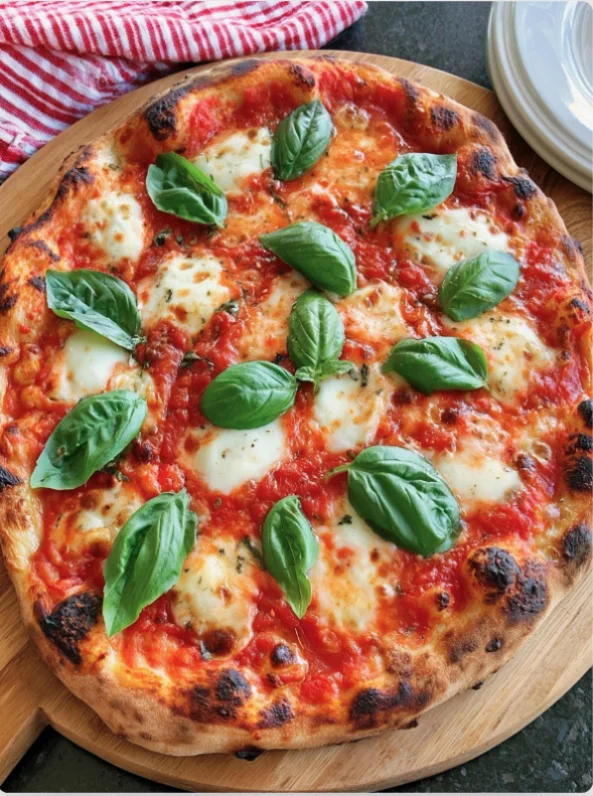
Margherita pizza is a beloved classic that embodies the essence of Italian cuisine. Its simplicity is its strength, featuring just a few high-quality ingredients that come together to create a delicious and memorable meal. This dish is named after Queen Margherita of Savoy, and its colors—red tomatoes, white mozzarella, and green basil—represent the Italian flag. This recipe will not only guide you through making an authentic Margherita pizza but also enrich your understanding of the ingredients and techniques that make it special. The allure of Margherita pizza lies not just in its taste but also in its history, with roots tracing back to Naples in the late 19th century. The dish exemplifies the Italian philosophy of using fresh, local ingredients, showcasing how simplicity can lead to exceptional flavors. Many pizza enthusiasts consider it the benchmark for all pizzas, as it highlights the quality of each component rather than overpowering them with unnecessary ingredients. As you embark on this culinary journey, you’ll find that mastering the Margherita pizza is not only rewarding but also a delightful expression of love for Italian food.
Ingredients
- For the dough:
- 4 cups all-purpose flour (plus extra for dusting) – Opt for Italian “00” flour if available, as it provides a finer texture and better elasticity. This flour is milled from softer wheat, yielding a beautifully chewy crust.
- 1 ½ teaspoons salt – Sea salt or kosher salt is recommended for a more robust flavor. Avoid table salt, as it can have additives that may affect the dough’s texture.
- 1 teaspoon sugar – Helps to activate the yeast and contributes to browning the crust. Sugar acts as food for the yeast, promoting a more vigorous fermentation process.
- 1 packet (2 ¼ teaspoons) instant dry yeast – Instant yeast allows for quicker preparation, but you can also use active dry yeast (just activate it in warm water first). The freshness of your yeast is crucial; always check the expiration date for optimal results.
- 1 ½ cups warm water (about 110°F) – Ensure the water is warm to touch, as too hot can kill the yeast. A kitchen thermometer can help you achieve the perfect temperature.
- 2 tablespoons extra-virgin olive oil – Use high-quality olive oil; it enhances the flavor of the dough. Consider an oil with a fruity aroma for additional depth in taste.
- For the toppings:
- 1 can (14 ounces) San Marzano tomatoes, crushed – These tomatoes are known for their sweetness and low acidity, making them ideal for pizza sauce. If you can’t find San Marzano, look for other high-quality canned tomatoes with no added preservatives.
- 8 ounces fresh mozzarella cheese, sliced or torn – Buffalo mozzarella is a wonderful option for a richer taste, but cow’s milk mozzarella is more widely available. Ensure the mozzarella is drained well to avoid excess moisture, which can make the pizza soggy.
- Fresh basil leaves, for garnish – Use large leaves for a more dramatic presentation; consider tearing them just before serving to maintain their fragrance. Basil is not only for flavor; it adds a beautiful pop of color to your pizza.
- 2 tablespoons extra-virgin olive oil – Drizzle this on top before and after baking for added flavor. The oil enhances the overall experience, providing a delectable richness.
- Salt, to taste – A small pinch enhances the existing flavors of the dish. Remember to taste as you go to ensure the perfect balance.
Note: Use high-quality ingredients for the best flavor, especially the tomatoes and mozzarella. Fresh mozzarella adds a creamy texture that enhances the overall experience of the Margherita pizza. You can learn more about this topic. If you’re looking to experiment, consider incorporating seasonal ingredients or local cheeses to create a personal twist on this classic recipe. Additionally, exploring different types of flour for the dough can also yield unique flavors and textures.
Steps / Instructions
- Prepare the dough: In a large mixing bowl, combine the warm water, sugar, and yeast. Let it sit for about 5-10 minutes until it becomes frothy. This step is crucial; it ensures that the yeast is alive and active, which is vital for a good rise. The surface should appear bubbly, indicating that your yeast is ready.
- Add the flour and salt to the yeast mixture. Mix until a shaggy dough forms. The dough may feel sticky, which is normal, so don’t be tempted to add too much extra flour at this stage. Use a wooden spoon or your hands to combine thoroughly.
- Turn the dough out onto a floured surface and knead for about 8-10 minutes, or until smooth and elastic. The dough should spring back when poked; this indicates adequate gluten development, which is essential for a chewy crust. If needed, use additional flour sparingly to keep the dough from sticking.
- Shape the dough into a ball and place it in a lightly oiled bowl. Cover with a damp cloth and let it rise in a warm place for 1-2 hours, or until it has doubled in size. The ideal rising environment is around 75-80°F; if your kitchen is cooler, it may take a bit longer. Patience is key; a longer rise leads to better flavor.
- Preheat your oven: If using a pizza stone, place it in the oven and preheat to 475°F (245°C) for at least 30 minutes. This step is crucial for achieving that perfect wood-fired pizza texture. A hot oven mimics the traditional pizza oven, ensuring a crispy bottom and properly melted cheese. If you don’t have a pizza stone, a heavy baking sheet turned upside down will work.
- Make the sauce: While the dough is rising, prepare the sauce by crushing the San Marzano tomatoes in a bowl. Add a pinch of salt to taste. You can blend the tomatoes for a smoother sauce if desired. Alternatively, for more texture, leave some chunks; this adds visual appeal and depth to the sauce. Adjust the seasoning depending on the natural sweetness of the tomatoes.
- Shape the pizza: Once the dough has risen, punch it down and divide it into two equal portions for two pizzas. On a floured surface, stretch or roll out one portion into a 12-inch circle, keeping the edges slightly thicker for the crust. Ensure you don’t press out all the air; the bubbles will create a light, airy crust. Use your fingers to gently stretch the dough from the center outward.
- Assemble the pizza: Spread a thin layer of the crushed tomato sauce over the dough, leaving a small border around the edges. Distribute the slices or torn pieces of fresh mozzarella evenly over the sauce. The key is to use just enough sauce and cheese to complement, not overpower, the dough. Visual balance is important for aesthetics and taste.
- Drizzle a tablespoon of olive oil on top and season with a pinch of salt. This oil will help the cheese melt beautifully and enhance the overall flavor profile of your Margherita pizza. You can also experiment with flavored olive oils for a unique twist.
- Bake the pizza: Transfer your pizza to the preheated pizza stone using a pizza peel. Bake for 10-12 minutes, or until the crust is golden brown and the cheese is bubbly. Keep an eye on it; every oven is different, so adjust the time as needed. You want the edges to be crispy and the cheese to have that beautiful, melted appearance.
- Once baked, remove the pizza from the oven and immediately top it with fresh basil leaves. Let it cool for a minute, then slice and serve. The residual heat will wilt the basil slightly, releasing its aromatic oils. This finishing touch makes a significant difference in the flavor and presentation of your Margherita pizza.
Tips & Tricks
- For the best texture and flavor, allow your dough to rise slowly in the refrigerator overnight. Just bring it back to room temperature before shaping. This slow fermentation enhances the flavor significantly and can improve the crust’s chewiness.
- If you want a crispier crust, consider baking your pizza stone in a hotter oven, around 500°F (260°C). Additionally, pre-baking the crust for a few minutes before adding toppings can help ensure it’s fully cooked through and crispy.
- To enhance the flavor, you can add a sprinkle of crushed red pepper flakes or a drizzle of balsamic glaze before serving. A touch of honey can also balance the acidity of the tomatoes, contributing an interesting layer of flavor.
- Store any leftover pizza in an airtight container in the refrigerator for up to 3 days. Reheat in a skillet for the best texture, as this prevents the crust from becoming soggy in the microwave. A quick reheat in the oven can also restore its crispiness.
- Common mistakes include overcrowding the toppings—less is more with a Margherita pizza to allow the flavors to shine. The beauty of this pizza lies in its simplicity, so don’t overwrite the masterpiece with too many ingredients.
Conclusion
Creating your own Margherita pizza at home is a rewarding experience that allows you to connect with the rich tradition of Italian cooking. With fresh mozzarella, fragrant basil, and quality tomatoes, this dish not only tantalizes the taste buds but also invites you to gather around the table with family and friends. Whether you’re a beginner or an experienced cook, this recipe is straightforward and offers endless possibilities for customization. So roll up your sleeves, gather your ingredients, and enjoy the art of pizza-making! Check out our related guide for more tips.
Margherita Pizza with Fresh Mozzarella
Margherita pizza is a beloved classic that embodies the essence of Italian cuisine. Its simplicity is its strength, featuring just a few high-quality ingredients that come together to create a delicious and memorable meal. This dish is named after Queen Margherita of Savoy, and its colors—red tomatoes, white mozzarella, and green basil—represent the Italian flag. This recipe will not only guide you through making an authentic Margherita pizza but also enrich your understanding of the ingredients and techniques that make it special. The allure of Margherita pizza lies not just in its taste but also in its history, with roots tracing back to Naples in the late 19th century. The dish exemplifies the Italian philosophy of using fresh, local ingredients, showcasing how simplicity can lead to exceptional flavors.
Ingredients
- 4 cups all-purpose flour (plus extra for dusting)
- 1 ½ teaspoons salt
- 1 teaspoon sugar
- 1 packet (2 ¼ teaspoons) instant dry yeast
- 1 ½ cups warm water (about 110°F)
- 2 tablespoons extra-virgin olive oil
- 1 can (14 ounces) San Marzano tomatoes, crushed
- 8 ounces fresh mozzarella cheese, sliced or torn
- Fresh basil leaves, for garnish
- 2 tablespoons extra-virgin olive oil (for drizzling)
- Salt, to taste
Directions
In a large mixing bowl, combine the warm water, sugar, and yeast. Let it sit for about 5-10 minutes until it becomes frothy.
Add the flour and salt to the yeast mixture. Mix until a shaggy dough forms.
Turn the dough out onto a floured surface and knead for about 8-10 minutes, or until smooth and elastic.
Shape the dough into a ball and place it in a lightly oiled bowl. Cover with a damp cloth and let it rise in a warm place for 1-2 hours, or until it has doubled in size.
Preheat your oven to 475°F (245°C) for at least 30 minutes if using a pizza stone.
Prepare the sauce by crushing the San Marzano tomatoes in a bowl and adding a pinch of salt to taste.
Once the dough has risen, punch it down and divide it into two equal portions. On a floured surface, stretch or roll out one portion into a 12-inch circle.
Spread a thin layer of the crushed tomato sauce over the dough, leaving a small border around the edges. Distribute the slices or torn pieces of fresh mozzarella evenly over the sauce.
Drizzle a tablespoon of olive oil on top and season with a pinch of salt.
Transfer your pizza to the preheated pizza stone using a pizza peel. Bake for 10-12 minutes, or until the crust is golden brown and the cheese is bubbly.
Once baked, remove the pizza from the oven and immediately top it with fresh basil leaves. Let it cool for a minute, then slice and serve.
Nutrition Facts
Recipe Reviews
- ★★★★★
Excellent recipe!
Leave a Reply
Your email address will not be published. Required fields are marked *



Excellent recipe!