
Introduction
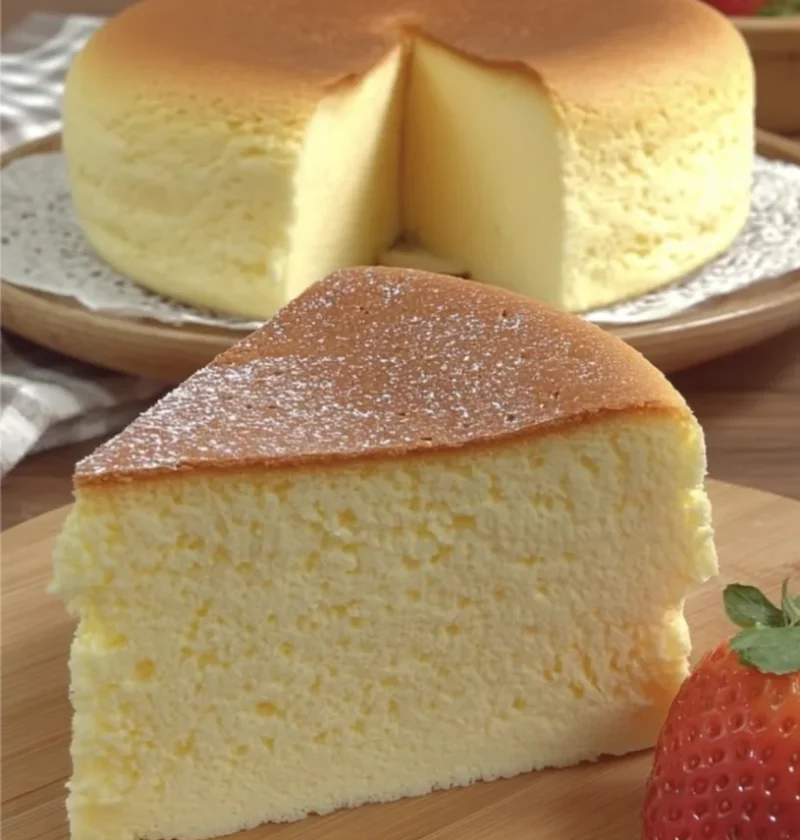
Imagine a dessert that combines the best of cheesecakes and soufflés, creating a delectably light and fluffy treat. This is the magic of the Easy Japanese Cheesecake, a dessert that has won hearts across the globe with its unique airy texture and rich flavors. Unlike traditional cheesecakes, the Japanese version is known for its cloud-like lightness and delicate sweetness, making it a perfect comforting dessert for any occasion. It offers a delightful contrast to denser Western cheesecakes, providing a refreshing dessert experience.
This cheesecake, often referred to as a soufflé cheesecake or Japanese cotton cheesecake, has its origins in the 1960s when a Japanese chef was inspired by the classic New York cheesecake. By incorporating the technique of meringue folding, a practice commonly found in French desserts, he created a recipe that was both creamy and fluffy. Today, this dessert is a staple in many Japanese bakeries and has become a beloved treat in kitchens worldwide, celebrated for its simple ingredients and exquisite taste. Its popularity has led to numerous variations, each with its own unique twist on the classic flavors.
The allure of the Easy Japanese Cheesecake lies not only in its taste but also in its versatility. As it is not overly sweet, it pairs beautifully with various toppings, allowing each baker to add a personal touch. Whether for a festive gathering or a quiet afternoon tea, this cheesecake is sure to leave a lasting impression. Its subtle flavor profile makes it a versatile base for creative experimentation, encouraging bakers to explore different combinations of toppings and flavors.
Ingredients
For the Cake
- 250g cream cheese, softened
- 50g unsalted butter, softened
- 100ml whole milk
- 6 large eggs, separated
- 140g granulated sugar, divided
- 60g cake flour
- 20g cornstarch
- 1 tablespoon lemon juice
- 1 teaspoon vanilla extract
- 1/4 teaspoon cream of tartar
Choose high-quality cream cheese for a richer flavor profile. The eggs should be fresh and at room temperature to maximize volume when beaten. Consider organic sugar for a more natural sweetness. For added flavor depth, you can experiment with flavored cream cheeses or add a hint of citrus zest.
For the Topping (Optional)
- Powdered sugar, for dusting
- Fresh berries, for garnish
Experiment with different types of fresh berries such as strawberries, blueberries, or raspberries for a burst of color and flavor. Use a fine-mesh sieve to achieve an even dusting of powdered sugar. A variety of toppings can transform the presentation and taste, making each serving a unique experience.
Steps / Instructions
- Preheat your oven to 320°F (160°C). Line the bottom of a round 8-inch cake pan with parchment paper and wrap the outside with aluminum foil to prevent water from seeping in. This ensures the cheesecake retains its moisture while baking.
- In a large mixing bowl, combine the cream cheese and butter. Mix until smooth, then gradually add the milk until fully incorporated. The mixture should be creamy and free of lumps for the best results. If needed, use a spatula to scrape down the sides of the bowl to ensure even mixing.
- Add the egg yolks, 70g of the sugar, lemon juice, and vanilla extract to the mixture. Whisk until smooth, ensuring the sugar dissolves completely, which will help achieve a more homogenous batter. The lemon juice not only adds flavor but also helps balance the richness of the cream cheese.
- Sift the cake flour and cornstarch over the mixture and fold gently to combine. This step is crucial to avoid deflating the batter, maintaining the cheesecake’s characteristic lightness. Ensure there are no visible flour pockets to maintain consistency.
- In a separate bowl, beat the egg whites with cream of tartar until frothy. Gradually add the remaining 70g of sugar and continue beating until stiff peaks form. The egg whites should hold their shape when the whisk is lifted. This process creates the meringue that gives the cheesecake its airy texture.
- Gently fold the meringue into the cream cheese mixture in three parts, ensuring not to deflate the mixture. Take care to fold from the bottom of the bowl to evenly incorporate the meringue. This gentle folding technique preserves the airiness and results in a light, fluffy texture.
- Pour the batter into the prepared cake pan. Place the pan in a larger baking dish and fill the outer dish with hot water to create a water bath. This method, known as bain-marie, helps the cheesecake bake evenly and prevents cracks. It also provides a gentle, even heat that helps develop the cheesecake’s delicate structure.
- Bake for 60-70 minutes, or until the top is a golden brown and the center is set. The cake should gently jiggle like gelatin when done. Turn off the oven and let the cake cool inside with the door slightly ajar to prevent sudden temperature changes. This gradual cooling helps avoid deflating the cake.
- Refrigerate for at least 4 hours or overnight to set fully before serving. This chilling time allows the flavors to meld and the texture to firm up, making each bite perfect. It’s this patience in cooling that ultimately enhances the cheesecake’s signature texture.
Tips & Tricks
To achieve the perfect airy cheesecake texture, ensure that all ingredients are at room temperature before starting. This helps in blending the ingredients smoothly. Be gentle while folding the meringue into the cream cheese mixture to keep the batter light and airy. If possible, use a digital scale for precise measurements, especially for the flour and sugar. Check out our related guide for more tips. Additionally, when separating the eggs, ensure no yolk is mixed with the whites to achieve optimal meringue consistency.
For storage, keep the cheesecake refrigerated, covered with plastic wrap, for up to 5 days. To make ahead, you can prepare the cake a day in advance and let it set overnight. For an extra special touch, try using flavored extracts like almond or coconut in place of vanilla for a unique twist. Avoid opening the oven door during baking to maintain a consistent temperature, which is crucial for the cake’s rise and texture.
Serving Suggestions
Serve this fluffy cheesecake with a light dusting of powdered sugar and a side of fresh berries for an elegant touch. Pair with a cup of green tea or a light Japanese sake to enhance the delicate flavors of this dessert. If you have guests, consider presenting the cheesecake with a drizzle of berry coulis or a sprig of mint for added color and taste. The subtle flavors of the Easy Japanese Cheesecake make it a versatile dessert that can be adapted for various occasions.
Consider using a decorative plate to serve the Easy Japanese Cheesecake, accentuating its elegant simplicity. A small dollop of whipped cream on the side can add a creamy counterpoint to each slice. For a more adventurous pairing, try it with a fruity white wine or a chilled glass of sparkling water flavored with lemon or lime. Presenting the cheesecake creatively can elevate the dining experience, making it as much a feast for the eyes as it is for the palate.
Conclusion
This Easy Japanese Cheesecake is a celebration of delicate flavors and a testament to the art of baking. Its lightness and unique texture make it a standout choice for those who appreciate the subtleties of Japanese dessert ideas. Whether you’re making it for a special occasion or just indulging in a sweet treat for yourself, this cheesecake is sure to impress and satisfy. Gather your ingredients, follow the steps, and prepare to delight in a homemade masterpiece. Happy baking! With practice, this recipe can become a cherished part of your dessert repertoire, offering endless opportunities for creativity and enjoyment.
Remember, the joy of creating this cheesecake is as delightful as enjoying it. Don’t hesitate to share your baking journey with friends and family, inviting them to experience the magic of Easy Japanese Cheesecake with you. Your efforts will surely be rewarded with smiles and requests for more slices! As you perfect this recipe, consider sharing your variations and personal touches with others, inspiring them to explore the wonderful world of Japanese desserts.
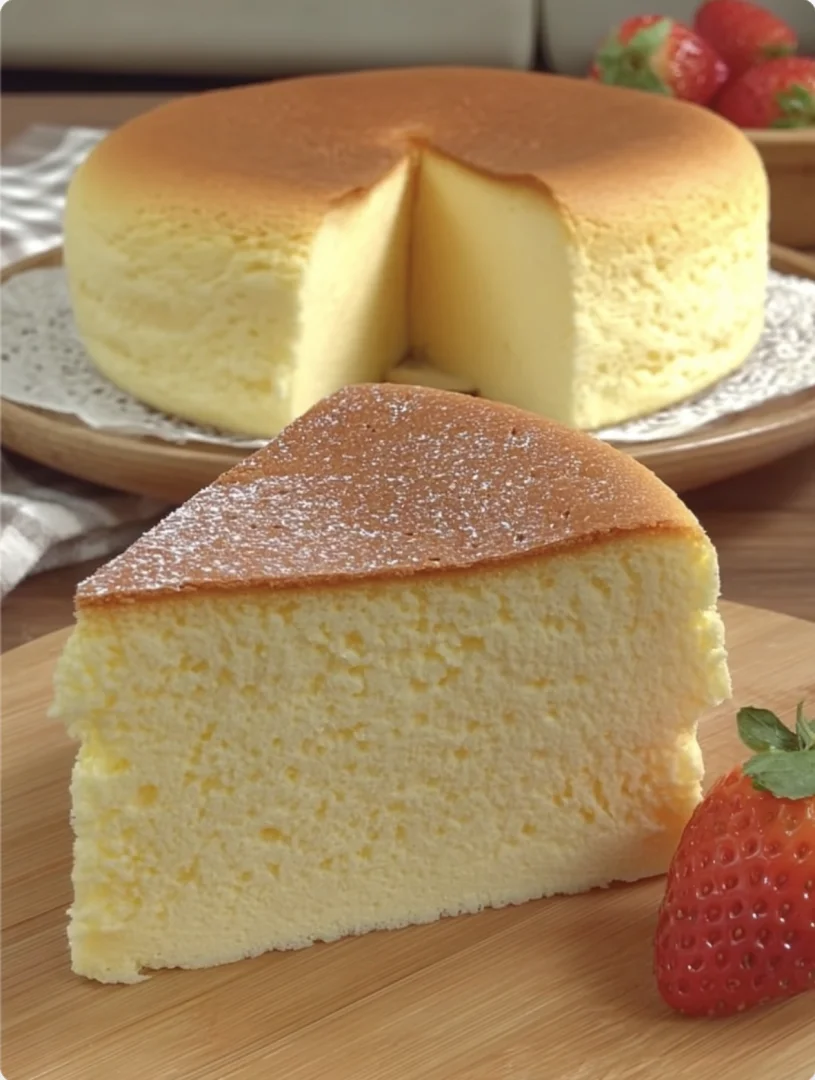
Easy Japanese Cheesecake
A delectably light and fluffy dessert that combines the best of cheesecake and soufflé, offering a unique airy texture and rich flavors.
Ingredients
- 250g cream cheese, softened
- 50g unsalted butter, softened
- 100ml whole milk
- 6 large eggs, separated
- 140g granulated sugar, divided
- 60g cake flour
- 20g cornstarch
- 1 tablespoon lemon juice
- 1 teaspoon vanilla extract
- 1/4 teaspoon cream of tartar
- Powdered sugar, for dusting
- Fresh berries, for garnish
Directions
Preheat your oven to 320°F (160°C). Line the bottom of a round 8-inch cake pan with parchment paper and wrap the outside with aluminum foil to prevent water from seeping in.
In a large mixing bowl, combine the cream cheese and butter. Mix until smooth, then gradually add the milk until fully incorporated.
Add the egg yolks, 70g of the sugar, lemon juice, and vanilla extract to the mixture. Whisk until smooth, ensuring the sugar dissolves completely.
Sift the cake flour and cornstarch over the mixture and fold gently to combine.
In a separate bowl, beat the egg whites with cream of tartar until frothy. Gradually add the remaining 70g of sugar and continue beating until stiff peaks form.
Gently fold the meringue into the cream cheese mixture in three parts, ensuring not to deflate the mixture.
Pour the batter into the prepared cake pan. Place the pan in a larger baking dish and fill the outer dish with hot water to create a water bath.
Bake for 60-70 minutes, or until the top is golden brown and the center is set. Turn off the oven and let the cake cool inside with the door slightly ajar.
Refrigerate for at least 4 hours or overnight to set fully before serving.
Recipe Reviews
- ★★★★★
Excellent recipe!
Leave a Reply
Your email address will not be published. Required fields are marked *



Excellent recipe!